No products in the cart.
How Liquidation Pallets Work and Where to Buy Them
How Liquidation Pallets Create Opportunities for Small Businesses
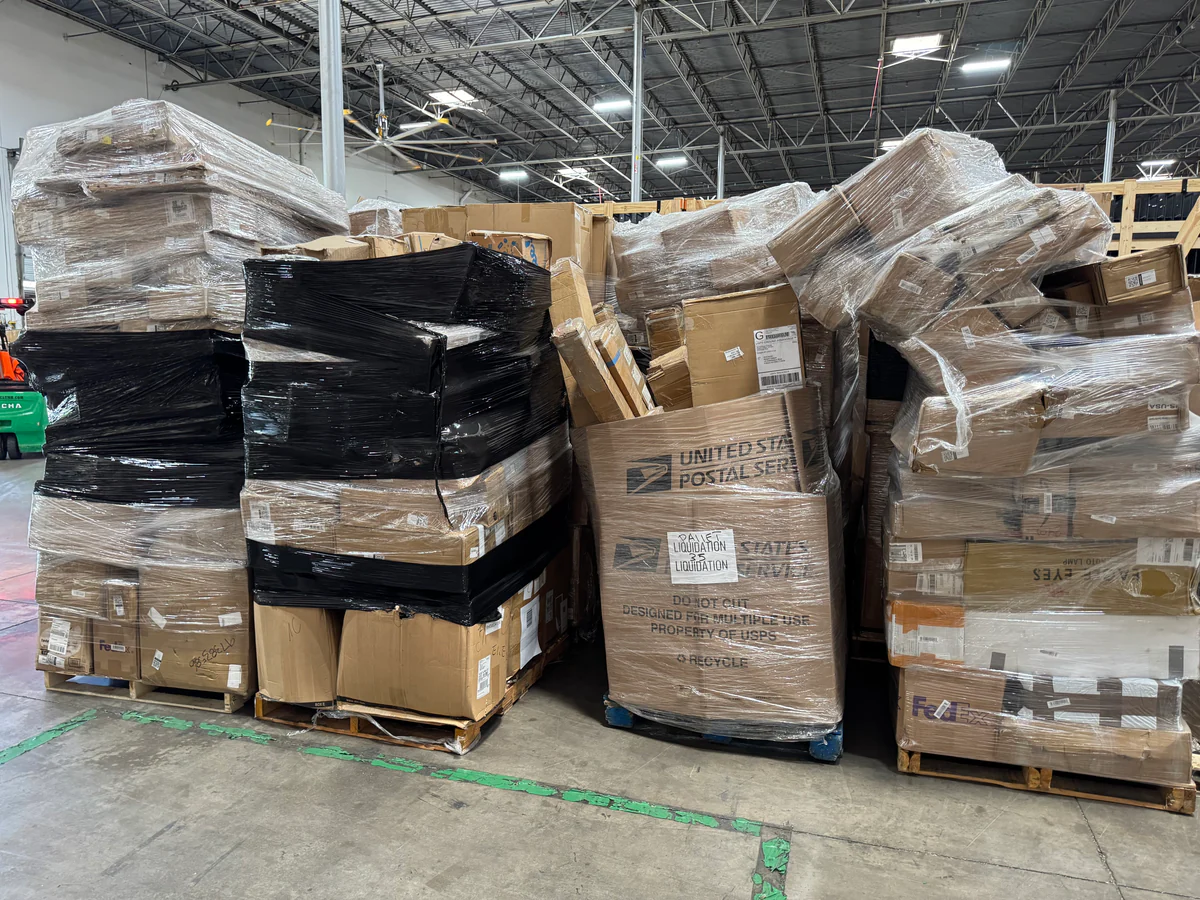
Liquidation pallets have become one of the most practical ways for entrepreneurs, online sellers, discount stores, and small businesses to access wholesale merchandise without paying traditional retail prices. Essentially, these pallets contain returned, overstock, shelf pull, surplus, or discontinued products that retailers and manufacturers need to move quickly. Therefore, buyers can often purchase mixed inventory at a significant discount and resell individual items for profit. However, success depends on understanding what you are buying, how inventory is sourced, and which suppliers deserve your trust. For example, a pallet might contain electronics, clothing, home goods, toys, tools, or general merchandise, depending on the category selected. Consequently, choosing the right inventory can directly affect your resale margins. Businesses searching for affordable wholesale opportunities can begin by exploring Liquidation Pallet Sales LLC and reviewing available inventory designed to support different types of resellers nationwide.
What Exactly Are Liquidation Pallets?
In simple terms, liquidation pallets are bulk loads of merchandise sold after retailers, manufacturers, or distributors decide that keeping the products in their regular inventory is no longer profitable or practical. For instance, customer returns may take up warehouse space, seasonal products may become outdated, and excess inventory may need to be cleared before new merchandise arrives. Instead of processing every item individually, companies often bundle products onto pallets and sell them through liquidation channels. As a result, professional resellers can purchase inventory at wholesale prices and create their own resale strategies. Nevertheless, product conditions can vary considerably, which is why buyers should always review descriptions carefully before placing an order. Some products may be new, while others may be open-box, customer returns, shelf pulls, or untested merchandise. Therefore, experienced buyers focus on understanding the pallet category, estimated value, condition, shipping costs, and potential resale demand before investing their money into available inventory.
How the Liquidation Process Works
The liquidation process usually begins when merchandise leaves a retailer’s normal sales channel because it has been returned, overstocked, discontinued, or replaced by newer inventory. First, products are collected and sorted according to category, condition, or recovery strategy. Next, the merchandise may be packaged into boxes, lots, truckloads, or pallets. Consequently, liquidation buyers can purchase larger quantities instead of negotiating for individual products. After receiving the inventory, a reseller typically inspects each item, separates sellable merchandise, tests products when necessary, photographs the best pieces, and lists them through physical stores, online marketplaces, social media, or their own websites. Meanwhile, less desirable products can sometimes be bundled, discounted, repaired, or sold through secondary channels. This system creates value because the original retailer recovers part of its investment while the reseller gains access to discounted inventory. Therefore, liquidation pallets can create a practical supply chain for entrepreneurs who understand inventory management and resale demand.
Why Buying Wholesale Pallets Can Be Profitable
The main attraction of buying wholesale pallets is simple: the potential difference between acquisition cost and resale value. When a business buys merchandise individually at retail prices, profit margins can disappear quickly. In contrast, bulk liquidation inventory may provide lower per-unit costs, allowing sellers to price competitively while protecting their margins. However, a cheap pallet is not automatically a profitable pallet. Shipping, storage, labor, testing, repairs, marketplace fees, packaging, and unsellable items must also be considered. Therefore, smart buyers calculate the complete landed cost before making a purchase. Additionally, they research which products have consistent demand in their target market. For example, practical household goods may sell differently from branded apparel or consumer electronics. Consequently, the best strategy is not simply buying the largest pallet available; instead, it involves purchasing inventory that matches your selling channel, available capital, customer base, and operational capabilities for long-term sustainable growth.
Where to Find Cheap Liquidation Pallets Near You
Searching online for “cheap liquidation pallets near me” can produce countless results, but convenience should never replace careful supplier evaluation. Local auctions, warehouse sales, wholesalers, and liquidation companies may offer opportunities to inspect inventory or reduce transportation costs. However, online suppliers can also provide access to broader product categories and inventory that may not be available locally. Therefore, buyers should compare pallet prices, merchandise categories, product conditions, minimum orders, shipping policies, and supplier communication before committing. A useful starting point is the Liquidation Pallet Sales LLC shop, where entrepreneurs can explore available wholesale inventory and select categories that fit their business model. Moreover, buyers should avoid rushing into deals based solely on advertised retail value. Instead, ask practical questions about condition, quantities, manifests when available, delivery, and return policies. This approach can reduce surprises and help you choose inventory with a stronger chance of resale success.
Choosing the Right Category for Your Resale Business
One important advantage of liquidation pallets is the ability to choose inventory categories that align with your customers and preferred sales channels. For example, entrepreneurs interested in apparel can explore wholesale clothing pallets and develop a business around boutiques, live selling, flea markets, or online fashion platforms. Meanwhile, sellers focused on other inventory types can browse the available category selection, specialized wholesale inventory, or mixed product categories. Additionally, exploring multiple categories helps businesses identify where demand and margins overlap. Nevertheless, beginners should usually avoid spreading their capital across too many unfamiliar products. Instead, start with categories you understand, learn what sells, track actual profits, and then gradually expand into additional profitable wholesale inventory opportunities.
How to Evaluate a Pallet Before You Buy
Before purchasing liquidation pallets, take time to evaluate the information provided by the supplier. First, identify the merchandise category and determine whether it matches your customer base. Second, examine the stated product condition because new, overstock, shelf-pull, returned, and untested goods carry different levels of risk. Third, review manifests or item details whenever they are available, although remember that inventory information may not guarantee the condition or resale value of every individual item. Furthermore, calculate shipping and handling costs before deciding whether the advertised price represents a genuine opportunity. You should also consider storage space and the time required to inspect, clean, test, photograph, and list the merchandise. Consequently, a pallet with a higher purchase price may occasionally be more profitable if it contains easier-to-sell products in better condition. In contrast, an extremely cheap mixed pallet may require substantial labor before generating revenue. Therefore, evaluate total business costs rather than focusing exclusively on the purchase price.
Popular Inventory Categories Worth Exploring
Different liquidation categories appeal to different business models, so there is no universal “best pallet” for every reseller. Electronics may offer attractive resale prices; however, they can require testing and technical knowledge. Clothing can provide high unit counts and flexible selling options, while home goods may appeal to local buyers seeking practical products. Similarly, entrepreneurs can explore additional wholesale categories, more liquidation inventory options, and other available merchandise categories. Nevertheless, category selection should always begin with market research. Ask what your customers actively purchase, where they shop, and how quickly similar products move. Additionally, consider seasonality because some merchandise may generate stronger demand during particular periods. By matching inventory with real customer needs, small businesses can make better purchasing decisions. Consequently, liquidation pallets become less of a gamble and more of a structured inventory sourcing strategy for growth.
How Liquidation Pallet Sales LLC Supports Resellers
Finding a reliable inventory source is one of the biggest challenges facing new resellers, which is why supplier relationships matter. Liquidation Pallet Sales LLC provides a central place for buyers to explore wholesale merchandise and identify inventory categories that fit their business goals. Instead of spending hours moving between unrelated sources, entrepreneurs can visit the About Us page to learn more about the company and its approach, then browse current inventory through the online shop. Additionally, businesses with questions can use the Contact Us page to request further information before making purchasing decisions. This is particularly valuable for beginners who may be unfamiliar with pallet terminology, freight considerations, or product conditions. Therefore, developing a relationship with a supplier and asking informed questions can make the buying process more manageable. Ultimately, successful resellers need dependable sourcing options, careful planning, and inventory that fits their market rather than random merchandise selected without research.
Selling Your Liquidation Inventory Online
Once your pallet arrives, the real work begins because purchasing inventory is only the first stage of the resale process. First, inspect every product and organize items by condition, category, and potential selling price. Next, clean or test merchandise when appropriate, and then take clear photographs that accurately represent each item. Furthermore, sellers should create detailed descriptions rather than relying on generic product titles. Online marketplaces, independent stores, and social selling channels can all become useful sales outlets depending on the product category. Entrepreneurs interested in building their own ecommerce operation can also learn from Shopify about creating and managing an online store. However, remember that platform fees, shipping costs, customer service, and returns affect profitability. Therefore, track every expense and compare your expected margin with actual results. Over time, this information helps you identify which liquidation pallets, categories, and selling channels produce the strongest and most repeatable business performance.
Building a Small Business Around Liquidation Pallets
A liquidation business does not need to begin with a massive warehouse or enormous investment. In fact, many successful resellers start by purchasing manageable inventory, learning how to process it efficiently, and reinvesting profits gradually. First, establish a realistic budget that includes inventory, freight, storage, packaging, and selling expenses. Then, choose one or two product categories that you can understand and market effectively. Additionally, create a simple system for recording purchases, sales, expenses, and unsold inventory. This financial discipline can reveal whether your business is genuinely profitable rather than merely generating revenue. Entrepreneurs can also explore resources from the U.S. Small Business Administration for general small-business guidance. Likewise, economic and business data from the U.S. Census Bureau can support broader market research. Consequently, combining practical data with hands-on experience creates a stronger foundation for sustainable growth.
Common Mistakes New Pallet Buyers Should Avoid
New buyers often make predictable mistakes, although most can be avoided with preparation. One common error is purchasing solely because a pallet appears inexpensive. Another is assuming that the stated retail value represents guaranteed profit. However, retail prices, customer demand, product condition, and selling expenses can change the actual outcome dramatically. Similarly, some beginners underestimate freight costs or discover too late that they lack enough space to receive and process the merchandise. Therefore, start with a manageable order whenever possible and build experience before increasing purchase sizes. Additionally, avoid making business decisions based only on exciting social-media claims or unrealistic profit promises. Consumer-protection information from the Federal Trade Commission can also help business owners understand general marketplace risks and deceptive practices. Most importantly, research suppliers, document transactions, read policies, and ask questions before paying. Consequently, careful due diligence can protect your capital and improve your ability to make profitable purchasing decisions.
Creating a Smart Buying Strategy
A smart liquidation strategy begins before you add anything to your cart. First, decide exactly who your target customer is and what products they are likely to purchase. Next, set a maximum acquisition budget and calculate how much inventory you can realistically process within a specific timeframe. Then, compare several product categories based on demand, condition, competition, and expected resale margins. Furthermore, create a simple spreadsheet to track each pallet purchase, including product costs, freight, fees, labor, revenue, and unsold items. This information becomes increasingly valuable because it shows patterns that intuition alone may miss. For instance, you may discover that lower-priced home goods generate faster cash flow while higher-value electronics produce better margins but require more labor. Therefore, future purchasing decisions can be based on evidence instead of guesswork. Over time, disciplined buying helps entrepreneurs identify the liquidation pallets that consistently support their specific business model, market, available resources, and long-term financial objectives.
Why Trust and Transparency Matter When Buying Wholesale
Because liquidation inventory can vary, buyers should prioritize suppliers that provide clear information and accessible communication. Transparency does not mean every pallet will contain perfect merchandise; instead, it means customers should understand the category, stated condition, purchasing process, and relevant policies before completing an order. Therefore, take time to read product descriptions and communicate with the supplier when something is unclear. Additionally, compare information across the supplier’s website rather than relying on a single promotional statement. You can begin with the Liquidation Pallet Sales LLC homepage, explore the online wholesale shop, and contact the company directly when you need clarification. This process may take a little longer; however, it can prevent expensive misunderstandings. Consequently, responsible sourcing becomes part of your overall business strategy. The strongest reseller businesses are usually built through repeatable systems, reliable communication, realistic expectations, and continuous improvement rather than impulsive purchases or unrealistic promises about effortless profits.
Final Thoughts: Turning Discounted Inventory Into Business Growth
Liquidation pallets can offer genuine opportunities for entrepreneurs who approach wholesale buying with realistic expectations and a clear resale plan. The key is understanding that profitability comes from the entire process, not simply from finding the cheapest pallet. Therefore, research the merchandise, evaluate condition, calculate all costs, understand your customers, and choose sales channels that match your inventory. Additionally, begin with manageable purchases so you can learn without exposing too much capital to unnecessary risk. As your experience grows, use your sales data to refine your buying decisions and focus on categories that produce dependable results. Whether you sell through a local store, online marketplace, social platform, or independent ecommerce website, reliable sourcing remains essential. Explore the inventory available from Liquidation Pallet Sales LLC, compare categories, and ask questions when needed. Ultimately, with patience, organization, and informed purchasing, liquidation pallets can become a valuable tool for building inventory, improving margins, and helping a small business grow sustainably.