No products in the cart.
Liquidation Pallets Explained: How Wholesale Inventory Creates Profitable Resale Opportunities
The resale industry has grown rapidly over the past few years, and liquidation pallets have become one of the most popular inventory sources for entrepreneurs, retailers, and online sellers. Every day, major retailers clear out customer returns, excess inventory, seasonal merchandise, and shelf pulls, creating opportunities for businesses to acquire quality products at significantly reduced prices.
Whether you’re starting your first resale business or expanding an existing operation, understanding how liquidation pallets work can help you make informed purchasing decisions and improve your profit margins.
What Are Liquidation Pallets?
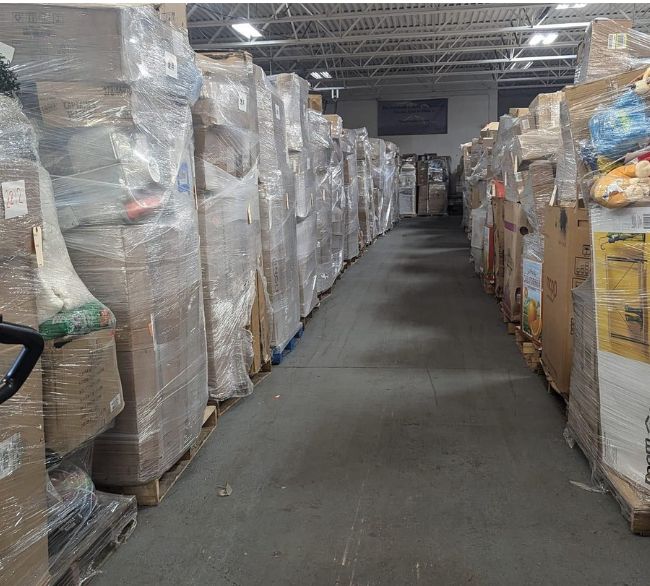
Liquidation pallets are bulk shipments of merchandise sold after retailers remove products from their regular sales channels. Instead of disposing of returned or overstocked items, retailers package them into pallets and sell them through wholesale liquidation companies.
These pallets may contain:
- Customer returns
- Overstock merchandise
- Shelf pulls
- Closeout inventory
- Seasonal clearance products
- Packaging updates
- Discontinued items
Depending on the supplier, pallets may be manifested with a complete inventory list or sold as mystery pallets.
Why Liquidation Pallets Continue to Grow in Popularity
Thousands of businesses rely on liquidation pallets because they offer a practical way to source inventory while reducing overall costs.
Affordable Inventory
Wholesale liquidation pricing allows businesses to acquire inventory well below traditional wholesale costs.
Diverse Product Categories
One pallet can include dozens or even hundreds of products from well-known brands across multiple categories.
Steady Supply
Large retailers generate returned and excess inventory throughout the year, creating a consistent flow of liquidation merchandise.
Flexible Resale Options
Products from liquidation pallets can be sold online, in retail stores, at flea markets, through social media marketplaces, or exported internationally.
Understanding Wholesale Liquidation Inventory
Every pallet has a condition grade that helps buyers estimate its value.
Common grading includes:
- Brand New
- Like New
- Open Box
- Shelf Pulls
- Customer Returns
- Salvage
Understanding these grades helps businesses choose inventory that matches their budget and resale strategy.
How to Evaluate a Liquidation Pallet
Experienced resellers examine several factors before placing an order.
Product Condition
Higher-quality inventory generally requires less testing, cleaning, or repair.
Manifest Details
Manifested pallets provide transparency by listing included products and estimated retail values.
Shipping Costs
Transportation expenses should always be included when calculating potential profits.
Supplier Reliability
Reputable liquidation companies provide consistent grading, detailed descriptions, and responsive customer support.
Most Searched Types of Liquidation Pallets
Amazon Return Pallets
Amazon return pallets remain among the most searched liquidation products because they often include electronics, home goods, toys, kitchen products, and everyday household items.
Customer Returns Pallets
These pallets consist of products returned by consumers. Many items remain in excellent condition and can be resold after inspection.
Electronics Pallets
Electronics continue to attract strong demand due to their high resale value. Common products include laptops, tablets, gaming accessories, headphones, speakers, and computer equipment.
Clothing Pallets
Fashion retailers and online boutiques frequently source clothing pallets because branded apparel maintains consistent demand.
Shoe Pallets
Athletic shoes, casual footwear, and designer brands often provide excellent resale opportunities.
Tool Pallets
Professional contractors and DIY enthusiasts create year-round demand for power tools and workshop equipment.
Home & Kitchen Pallets
Kitchen appliances, cookware, storage products, and home essentials are consistently popular with consumers.
Toy Pallets
Toys experience strong seasonal demand but also sell steadily throughout the year.
Health & Beauty Pallets
Beauty products, skincare, cosmetics, and personal care items remain among the fastest-moving online categories.
Pet Supply Pallets
Pet owners continue to spend heavily on food accessories, toys, grooming products, and pet care essentials.
Appliance Pallets
Small household appliances such as coffee makers, blenders, air fryers, and vacuum cleaners offer attractive resale potential.
General Merchandise Pallets
These mixed pallets provide a broad assortment of products, making them ideal for resellers looking to diversify inventory.
Tips for Long-Term Success
Businesses that consistently profit from liquidation inventory typically follow a disciplined process.
- Research current market demand before selecting inventory.
- Understand pallet grading systems.
- Compare wholesale suppliers carefully.
- Factor shipping costs into every purchase.
- Test electronics before listing them for sale.
- Use high-quality product photos.
- Sell across multiple online marketplaces.
- Track inventory and profit margins.
A consistent approach generally produces stronger long-term results than chasing unusually cheap deals.
Common Mistakes New Resellers Make
Many beginners reduce their profits by making avoidable mistakes.
- Ignoring pallet condition descriptions.
- Purchasing inventory without researching resale demand.
- Underestimating shipping and handling costs.
- Working with unreliable suppliers.
- Expecting every pallet to contain perfect merchandise.
- Failing to calculate total investment before reselling.
Avoiding these mistakes helps build a more sustainable resale business.
Final Thoughts
Liquidation pallets continue to offer one of the most practical ways for entrepreneurs and retailers to access wholesale inventory at competitive prices. With a wide selection of categories, consistent inventory availability, and opportunities for healthy profit margins, they remain an attractive option for businesses of every size.
Success begins with understanding pallet conditions, choosing reliable suppliers, and focusing on product categories that match your market. As your experience grows, liquidation pallets can become a dependable source of inventory that supports long-term business growth.